

All of our retreats are led by extensively trained, highly experienced, Bwiti-empowered Iboga facilitators — carrying not only technical skill but the lineage, protocols, and reverence this work asks for. Alongside them, our medical, scientific, and hospitality teams hold the rest of the container.
Safety is built into the structure rather than added around it: cardiac and contraindication screening before you arrive, EKG monitoring on site, and a team trained to act if your body needs them. More on how we approach this below.
What each retreat includes
Every retreat is thoughtfully structured to hold you at each stage of the journey. A typical retreat includes:
Medical screening and support
Careful evaluation before, and clinical support throughout.
Preparation
Grounding you in what to expect and how to prepare.
Fireside teachings
Traditional wisdom shared in community.
Two Iboga ceremonies
The heart of the experience, guided from within the tradition.
Food and accommodations
Nourishing meals and comfortable rest throughout.
Counseling and groups
Space to process, share, and be witnessed.
Spiritual showers
Traditional Bwiti cleansing rituals.
Aftercare and integration calls
Continued support long after you return home.
Community
An ongoing community of past guests, staying connected and supporting one another long after their retreat.
Comparing Iboga retreats and ibogaine treatments
The form of the medicine is only part of what differs. Where someone works with iboga determines who holds them, what happens before they arrive, what happens after the ceremony, and what medical care is in place throughout.
Most iboga retreats
Our retreats
Ibogaine clinics
Cardiac screening and EKG monitoring are recent additions to this work. The knowledge of how to hold a person through an Iboga ceremony is not. Thousands of years of working with this medicine produced its own body of knowledge — how much to give and when, how to read someone's state through the night, what song and ritual do to steady a person, what the days after require, and who is fit to hold the room at all. These are protocols, developed across more ceremonies than any clinical dataset contains, and they address what instruments cannot measure.
.png)
Cutting-edge science meets lineage-led care
Safety at Root Healing
.png)
Comprehensive experience
Our team brings decades of combined experience across spiritual care, mental health, and science — and deep specialization in Iboga and ibogaine. To date, Root Healing has worked with more than 1,000 people and facilitated hundreds of retreats and programs, refining our care with every person we hold.
.png)
Extensive medical screening
Our medical team reviews your application and records individually to ensure safe and effective care.
.png)
Traditional wisdom
Our facilitators are highly trained and experienced in Missoko Bwiti traditional safety, healing, and care — grounded in a lineage refined over generations.
.png)
Medical team oversight
Our medical team oversees care and takes the lead when needed, primarily during detoxes.
Medical safety certified
At least one facilitator at every retreat is certified in Basic Life Support (BLS) and/or ACLS.
.png)
State-of-the-art medical equipment
Every guest is checked or monitored with our advanced EKG/ECG equipment, configured to our protocols. We keep top-tier defibrillators on hand.
.png)
Proprietary protocols
We've developed our protocols through years of experience and in partnership with leading experts in the field, to uphold the safety and success we're known for.
Two approaches
A different way of working with the mind
Most of the people we hold were failed by conventional systems. Here's how the two paths differ.

Clinical Model
.png)
The Bwiti model
[1] Rad, Martingano & Ginges (2018), PNAS — most psychological research draws on WEIRD populations, a small slice of humanity. doi.org/10.1073/pnas.1721165115
THE PROCESS
What happens during an Iboga retreat?
An Iboga retreat at Root Healing moves through four phases: preparation and the fire talk, the ceremony itself, a processing day after each ceremony, and integration. Two ceremonies sit inside a 6 to 7 day retreat.
01
Counseling, preparation, and the fire talk
Intentions are shaped through counseling. In the evening comes the fire talk, where wespeak about where Iboga comes from and the Bwiti tradition it belongs to — the container the medicine built for itself.
02
The traditional ceremony
You lie down in the candle-lit ceremony room. Bwiti music plays through the night — it comes from Iboga too, and it anchors you in the experience. Facilitators support you in different ways as the night asks.
03
The processing day
You return to your room at sunrise. What follows we call a day of be-ing — time to meet what surfaced in ceremony, and the memories and emotions it moved.
04
Integration
Integration starts inside the retreat — morning groups, counseling, integration activities, and a plan built with you before the closing circle.
DAY BY DAY
A 5 to 7 day Retreat Schedule
The retreat runs six days, and the dates listed on our schedule are those six. You are welcome to arrive the evening before to settle in, which makes it seven.
Arrive and settle in
Orientation and first ceremony
Day of be-ing
Integration and second ceremony
Day of be-ing
Integration day
Departure (Optional)
Integration
What is Iboga?
Iboga, the “Godfather of all plant medicines,” is a sacrament used by the Bwiti for profound physical and spiritual healing, and spiritual discovery.
The most recognized alkaloid within the root of the Iboga plant (Tabernanthe iboga) is ibogaine. Ibogaine gained notoriety for its remarkable anti-addictive properties, especially for opiate addiction, and is now used globally and is very well-known.
Beyond ibogaine, Iboga contains numerous other alkaloids, some with even more beneficial effects. These alkaloids work harmoniously to facilitate the potent spiritual, mental, and physical healing that the Bwiti have long revered. Most important though, is the spirit of Iboga, which has an ancient wisdom that roots down deep into the earth – the foundation of nature itself.
Learn more
How do I know if Iboga is right for me?
You must make this very personal and important decision for yourself, but we are here to help.
To ensure a safe Iboga experience, guests will go through our intake process to determine if there are any discriminating health factors or medications. Once the process is complete, the experience is very safe.
Besides that, the main requirement for a successful Iboga experience is the willingness to heal by accepting the truth and letting go. This is the main marker for when someone is ready; if they are, they will experience powerful healing.
In the Bwiti tradition, Iboga is for everyone and is used in “initiations” or coming-of-age ceremonies that connect boys and girls to the tradition and the community. The initiations help to root these into themselves, ensuring a healthy adult life. They will also have ceremonies again when people have deviated from a healthy path and need to course-correct their lives or heal somehow.
As is true to our tradition, we believe that all people can benefit from an Iboga ceremony. Typically, we work with people who are seeking deep healing and/or a deeper connection to themselves. This can include many things including depression, anxiety, ptsd, trauma, addictions, self-hatred, anger, traumatic brain injuries, Parkinson’s disease, auto-immune diseases, and more.


Iboga Retreats & The Bwiti
Bwiti and the Iboga plant’s symbiotic relationship goes back thousands of years to when the Iboga plant was first discovered. Iboga became a sacrament of the Bwiti, with nearly every aspect of their tradition and their ceremonies given to them by the spirit of Iboga itself. Iboga is such an important part of their lives, that it is used as the initiation into the tradition and is consumed regularly at ceremonies.
At Root Healing Iboga Retreats, you can always expect a unique healing experience guided by the core Bwiti principles. We believe in maintaining Bwiti tradition and practices throughout all of our work, as they ensure a safe and powerful Iboga retreat ceremony.
What is Iboga used for outside of the Bwiti tradition?
Recent scientific research has revealed a lot about the healing benefits of Iboga and Ibogaine, the primary active alkaloid found in Iboga root. Studies have shown that Ibogaine treatment can help with:

Ibogaine is also known to promote neuroplasticity in the brain (or reorganization of synaptic pathways) and to have antimicrobial and anti-viral properties, including against HIV. For more information on Iboga’s benefits, check out our Scientific Resources page.
Studies focusing on the potential of Iboga treatments are exciting, but the Bwiti have known about Iboga’s deep healing properties for a very long time, plus they’ve gained wisdom regarding how to enhance the plant’s benefits through powerful ceremonial practices and rituals. These practices have been passed down to us through our Missoko Bwiti lineage.
Legal standing
Is an Iboga retreat legal?
Iboga and ibogaine are Schedule I controlled substances under U.S. federal law. There is no licensing pathway for a commercial iboga retreat in the United States.
Root Healing’s U.S. retreats are not commercial retreats. They are religious ceremonies held by two churches — Bassé Root in Connecticut and the Missoko Bwiti Alliance in Oregon, both 501(c)(3) organizations practicing within the Missoko Bwiti tradition. Root Healing serves as a contracted operations and listing partner to these churches and is not itself the religious entity.
Federal courts have considered the religious use of controlled sacraments under the Religious Freedom Restoration Act. We set out that legal landscape, including its limits and the factors courts weigh, on our U.S. retreats page.
United States
Religious freedom is protected by law in the United States. Our retreats are held as religious ceremonies by Bassé Root in Connecticut and the Missoko Bwiti Alliance in Oregon, both 501(c)(3) religious organizations practicing within the Missoko Bwiti tradition.
Mexico
Iboga is not on the national schedule of controlled substances, and no regulatory framework currently governs its use — an absence of regulation rather than an approval. Facilities have operated openly for decades. We work through a legally registered Mexican company.
Europe
Legal status varies by country. We hold retreats only in jurisdictions where Iboga is not a controlled substance, and we confirm the standing of each location before scheduling. Every European retreat operates under that country’s own framework.

Across all three locations we work with iboga, not ibogaine. Ibogaine is a single alkaloid isolated from the plant and used in clinical detoxification protocols. Our retreats use whole-plant, wild-harvested iboga in the traditional Bwiti form, as it has been used in Gabon for thousands of years. The two are often referred to interchangeably, but they are different substances with different legal treatment in some jurisdictions.
Safety
What does Iboga or Ibogaine do to your brain, and is it safe?
Iboga has a complex effect on the brain by affecting the activity of several neurotransmitters. It also has some physical effects, like slowing heart rate and ataxia. However, when properly screened and taken with the right team, it is very safe. It can actually heal the brain by restoring balance and potentiating neuroplasticity.
Iboga is a powerful sacramental plant that has been used by the Bwiti for thousands of years. Therefore, they know how to work with this powerful plant medicine in a safe way. This knowledge has been passed down from our Shaman to our entire team, who also continue to study and learn.
To ensure safety, we follow their traditional, time-honored rituals for using Iboga.
Root Healing works with a medical team and our experienced facilitators who are experts on the safe use of Iboga. All retreats require a Health Questionnaire, EKG, and Liver Function Test (in some cases) which will be reviewed by our team.

Why Our Retreats Use Whole-Plant Iboga, Not Isolated Ibogaine
While "ibogaine retreat" is a common search term, it's crucial to understand the profound differences between treatments using the isolated ibogaine alkaloid versus the traditional use of the whole Iboga plant. At Root Healing, our Bwiti-led approach is intentionally centered on the whole plant for critical reasons of safety, efficacy, and spiritual completeness.
A More Effective Way for Healing
Ibogaine is just one of many active alkaloids in the Iboga root bark. Scientific research, while limited, suggests many other alkaloids like tabernanthine and ibogamine have powerful anti-addictive and therapeutic properties of their own. In fact, some studies have found ibogamine to be even more potent than ibogaine for certain conditions. The alkaloids in the whole plant work in synergy, creating a natural, time-tested recipe that is far more potent and balanced than any single, isolated compound. Choosing only ibogaine is like trying to bake a complex cake with only flour, ignoring the other ingredients that make it whole.
A Deeper Look at Safety
Safety is our paramount concern. High doses of isolated ibogaine are associated with potential cardiac risks because its primary metabolite, Noribogaine, can affect the heart's electrical system. Using whole Iboga Root Bark or a Total Alkaloid (TA) extract allows us to achieve profound healing with a lower, safer concentration of ibogaine. The presence of other synergistic alkaloids enhances the therapeutic effect, reducing the need for high-risk dosage levels. This, combined with our rigorous medical screening (including EKG and liver function tests) and incremental dosing protocol, makes our traditional Iboga retreats a significantly safer container for healing.
The Irreplaceable Spirit of the Medicine
Beyond the physical science, there is a core element that cannot be synthesized or extracted: the spirit of Iboga. In the Bwiti tradition, this intelligent spirit is the true agent of healing. The industrial process of extracting ibogaine removes the medicine from its spiritual context, leaving behind a powerful but incomplete tool. Our retreats preserve this sacred element, ensuring you connect not just with a molecule, but with the ancient wisdom of the plant itself.
By choosing a traditional Iboga retreat, you are receiving the complete, time-tested healing intelligence of the entire plant, guided in a medically-supervised and spiritually authentic setting.
Retreat locations
Four ways to sit with the medicine. Wherever you meet us, the container is the same.

.jpg)
United States
Held through our Missoko Bwiti 501(c)(3) nonprofit church and Missoko Bwiti Alliance
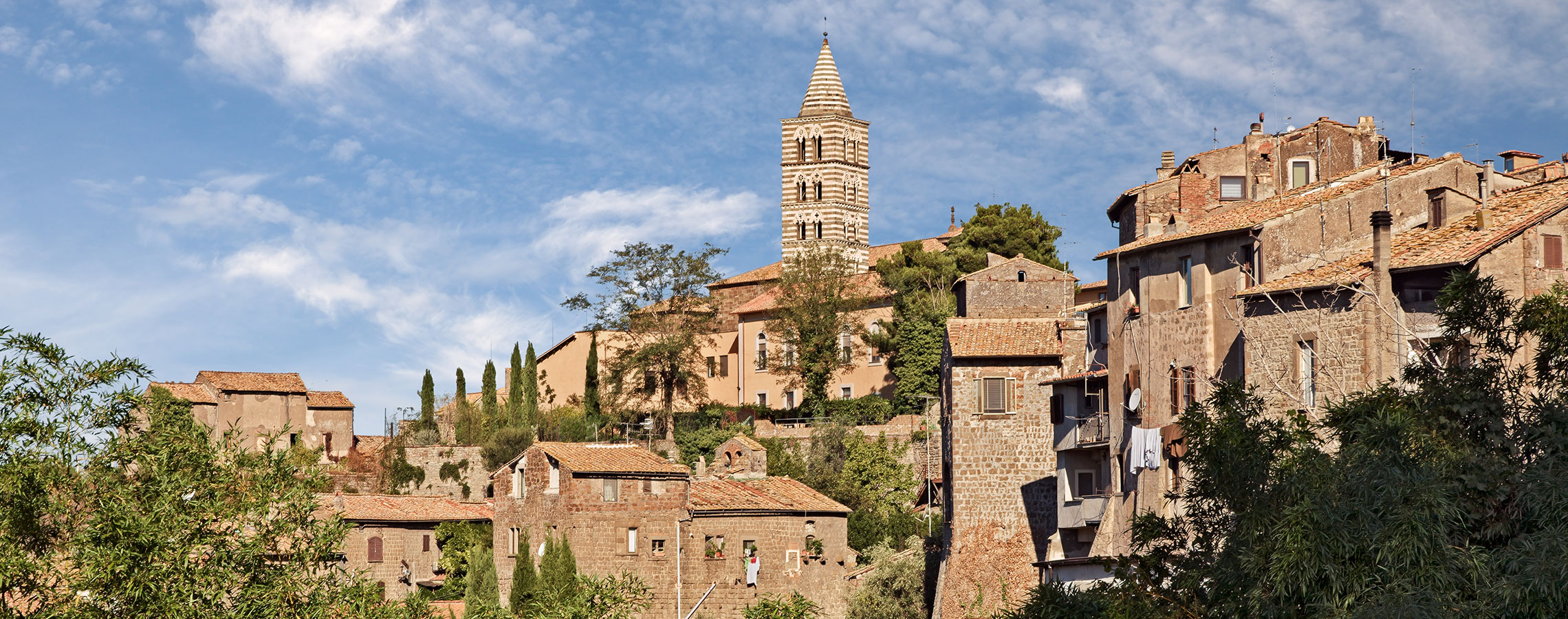
Europe
Traditional and medically supervised programs, running year-round in Europe

Frequently Asked Questions About Iboga Retreats & Ceremonies
Find answers to common questions about Iboga, our treatments, retreat process, safety, and what to expect on your healing journey.
What Is Iboga?
Iboga (Tabernanthe iboga) is a flowering shrub native to the rainforests of West-Central Africa and one of the most revered plant medicines on Earth. For thousands of years, the Bwiti people of Gabon have worked with Iboga as a sacrament — calling it the "Godfather of all plant medicines" — for profound physical healing, spiritual discovery, and direct connection to ancestors and to the truth of one's own life. The medicine is prepared from the root bark of the plant, which contains dozens of active alkaloids, the most well-known being ibogaine. Modern research has begun to confirm what the Bwiti have always known: ibogaine and its sister alkaloids interrupt addiction at its physiological roots, support neuroplasticity and the regeneration of neural pathways, and produce dramatic, long-lasting reductions in trauma, depression, and craving — often after a single experience. But Iboga is more than the sum of its alkaloids. The Bwiti teach that Iboga carries its own intelligent spirit — an ancient wisdom rooted deep in the foundation of nature itself — and it is this spirit, when held within tradition, that guides the deepest healing. To work with Iboga is not simply to take a substance; it is to be received by a teacher.
To learn more, visit our Iboga page.
What is an Iboga retreat
An Iboga retreat is a multi-day program working with Tabernanthe iboga, a plant medicine from the forests of West-Central Africa, inside the Bwiti ceremonial tradition it comes from. Root Healing holds retreats in the United States, Europe, and Mexico within the Missoko Bwiti lineage.
A retreat is not a single session. It runs across several days and includes preparation and counseling before the first ceremony, two Iboga ceremonies held overnight, a processing day after each one, and integration work that begins on site and continues after you go home. Meals, accommodation, and medical screening are part of it.
What makes it a retreat rather than a treatment is that the medicine is held inside its tradition. Iboga and Bwiti developed together, and the ceremony, the songs, the fire, and the way a person is held through the night are what the tradition built for working with this medicine. We hold that structure as it was given to us.
What Is Bwiti?
What Bwiti Is
Bwiti (pronounced bwe-te) is a spiritual tradition that originated with the Babongo of southern Gabon and has since spread to the Mitsogho, Fang, and surrounding peoples of West-Central Africa. Bwiti is "the study of life itself" and "the art of knowing" — a living, embodied path through which its practitioners stay connected to themselves, to one another, to their ancestors, and to life itself. It is different than most religions in the Western sense — religions are organized around belief, while Bwiti is rooted in direct knowing. Bwiti is a lineage of ceremony, ritual, song, teaching, and ancestral wisdom developed over thousands of years. Iboga is the sacrament of the Bwiti — the central plant medicine through which the tradition's deepest teachings are received — but Bwiti itself is the broader path of practice and relationship that holds the everyday life of its people. The Bwiti understand that Iboga carries its own intelligent spirit, and that this spirit is the true healer; the role of the tradition is to create the conditions — through preparation, ceremony, song, fire, and ritual — in which Iboga can be received safely and its wisdom fully integrated. As the tradition itself teaches: "You cannot have Iboga without Bwiti, or Bwiti without Iboga." The two are inseparable.
How We Work With Bwiti at Root Healing
At Root Healing, we work specifically within the Missoko branch of Bwiti, under direct lineage and blessing from our Bwiti elders and teachers in Gabon. Every retreat we hold — whether substance use detox, trauma healing, neuroregenerative work, or psycho-spiritual deepening — is held within the Bwiti container: traditional ceremonies, fire talks, songs, rituals, and integration practices that have guided people through profound healing for millennia. We do not adapt Bwiti into something more palatable for a Western audience, nor do we strip it down to extract only what is useful. We honor the tradition as it was given to us, and we give back to the Bwiti communities of Gabon through direct financial support, protection of the lineage, and ensuring that Bwiti voices are respected wherever this work travels
To learn more, please visit our Missoko Bwiti page.
How much does it cost?
The cost of an Iboga retreat at Root Healing varies by location, program, and length, because each of our offerings is tailored to the specific work being done and the depth of support it requires. We are intentionally a boutique, heart-led organization rather than a high-volume clinic, and our pricing reflects the comprehensive nature of what we offer — small group sizes, the personal involvement of our core team, advanced medical infrastructure, traditional Bwiti ceremony, and the integration support that continues after guests return home.
Mexico (Tepoztlán) — Our flagship retreat center offers our full range of programs, including Iboga Assisted Detox, Trauma & Emotional Healing, Neuroregenerative & Physical Healing, Behavioral Addiction, Reclaiming & Connecting to Life, and our Traditional Iboga Retreat. Pricing varies by program and includes all medical screening and oversight, ceremonies, accommodations, meals, integration coaching, and post-retreat support. Specific pricing for each program is available on the individual program pages or by speaking with one of our advisors.
Starts at $5,000 for traditional retreats and programs.
Europe — Our traditional Iboga retreats in Europe are offered in two formats: a 6-day retreat at €3,500 and a 9-day retreat at €4,500. Both formats include all ceremonies, accommodations, meals, medical screening, integration coaching, and the full Bwiti container.
United States (Oregon) — Traditional Iboga retreats held through the Missoko Bwiti Alliance, our 501(c)(3) nonprofit affiliate, are priced separately and detailed on the Alliance's website. Typically, these retreats cost $4,000
Every Root Healing retreat is all-inclusive — there are no hidden fees, no separate ceremony costs, and no add-ons. What we offer is the depth of traditional Iboga work paired with the medical rigor this medicine deserves, held by a team for whom this is a calling rather than a business. If you would like to discuss which program is right for you and the associated cost, we invite you to begin with our application form, and one of our advisors will reach out to walk you through the details personally.
Where Is Root Healing Located?
Root Healing operates across three locations, each serving a distinct role in our work.
Our flagship retreat center is in Tepoztlán, Mexico, a sacred valley about an hour south of Mexico City known for its powerful natural energy and long history as a place of healing. This boutique center is where we offer our full range of programs — including Iboga Assisted Detox, Trauma & Emotional Healing, Neuroregenerative & Physical Healing, Behavioral Addiction, Reclaiming & Connecting to Life, and our Traditional Iboga Retreat — supported by our most advanced medical facilities and the largest gathering of our team. Tepoztlán is the heart of Root Healing's work and the location best suited for guests who want the full depth of what we offer.
In the United States, we work through the Missoko Bwiti Alliance, our 501(c)(3) nonprofit affiliate based in Oregon, which holds traditional Iboga retreats within a religious framework recognized under U.S. law. This is where guests in the U.S. can work with the Bwiti tradition without traveling internationally.
In Europe, we hold traditional Iboga retreats in carefully selected locations, offering 6-day and 9-day formats.
We also offer private retreats — held either at our locations or at yours — for individuals or groups seeking a fully customized experience. Whichever location is right for you, the same lineage, the same care, and the same Bwiti container holds the work.
How is this different from regular therapy?
Regular therapy works primarily through talk and cognition — examining thoughts, narrating experience, and gradually reshaping patterns over months or years of sessions. It operates on the surface layer of the mind and depends on what a person is consciously able to access and articulate. There is also a less-discussed risk: repeatedly returning to traumatic material through talk, without the means to actually resolve it at its root, can reinforce the very patterns and wounds a person is trying to move beyond — deepening the grooves rather than releasing them. Iboga work in the Bwiti tradition operates on an entirely different level. Iboga reaches directly into the subconscious, the body, the nervous system, and the spirit — the places where trauma, addiction, and disconnection actually live — and brings them into the light to be seen, felt, and released. What can take years to surface in talk therapy often arises and begins to move through in a single ceremony. And because the work happens within the Bwiti container, it is not just excavation: the tradition holds you through what comes up, reconnects you to your own innate wisdom, and integrates the experience into a renewed relationship with yourself and your life. Regular therapy asks you to think your way toward healing. Iboga and Bwiti meet you where the wound actually lives and resolve it at the root.
Research footnote:
¹ The risk that talk-based trauma therapy can reinforce rather than resolve traumatic material is well established in the clinical literature. Dr. Bessel van der Kolk, founder of the Trauma Research Foundation and author of The Body Keeps the Score (2014), has documented that the traditional approach of having patients talk through traumatic memories "until it no longer bothered them" can lead to "retraumatization, avoidance, and treatment failure." Duckworth and Follette, in Retraumatization: Assessment, Treatment, and Prevention (Routledge, 2012), note that "most talk-therapies rely on memory and recall, which has the potential to be retraumatizing for survivors." The U.S. Substance Abuse and Mental Health Services Administration (SAMHSA) explicitly identifies retraumatization as a recognized risk in trauma treatment and the basis for its trauma-informed care framework (SAMHSA TIP 57). A 2024 survey of 348 UK mental health clinicians published in the Journal of Anxiety Disorders found that concern about retraumatization during trauma-focused therapy is widespread among practicing professionals.
² Van der Kolk's research demonstrates that trauma "is stored not as a story, but as a sensory experience" within the body, nervous system, and lower brain structures — not in the cognitive, language-based regions that talk therapy primarily addresses. This is the neurobiological basis for why approaches that engage the body, nervous system, and non-ordinary states of consciousness reach trauma at a level that purely cognitive approaches cannot.
What Is Iboga Assisted Detox?
Iboga Assisted Detox is a comprehensive, medically supervised program that uses Iboga to interrupt addiction at its physiological, psychological, and spiritual roots in a single retreat. Unlike conventional detox, which manages withdrawal over weeks or months and typically leaves the underlying patterns of addiction untouched, Iboga acts directly on the brain and body to remove physical dependence and reset the neurological pathways that drive craving. The medicine's primary alkaloids — ibogaine, ibogamine, tabernanthine, and others — work synergistically to block opioid receptors, normalize dopamine and serotonin function, and activate the brain's own regenerative factors (GDNF and BDNF), which promote the formation of new neural connections and support lasting recovery. In most cases, withdrawal symptoms are dramatically reduced or eliminated entirely, and people emerge from a single ceremony free of the physical grip of substances they may have been bound to for decades. But the physical detox is only half of the work — and this is where Root Healing diverges sharply from most ibogaine clinics. The majority of ibogaine treatment centers focus almost exclusively on the physical reset: they administer the medicine, monitor the body, and send people home a few days later without addressing the trauma, disconnection, and unresolved pain that drove the addiction in the first place — and without giving them the tools, integration support, or community needed to sustain the transformation once they return to their lives. At Root Healing, the physical detox is the foundation, not the destination. Within the Bwiti container, our program also addresses the deeper roots of addiction, reconnects each guest to their own clarity and purpose, and equips them with practical integration tools, ongoing support, and a continued relationship with our team and community long after they leave the retreat. This is what makes Iboga Assisted Detox at Root Healing fundamentally different: it does not simply remove the substance from the body, it restores the person to themselves — and it walks with them as they build the life waiting on the other side.
Please visit our Iboga Detox page to learn more about the program.
Is Iboga Like Ayahuasca?
Iboga and Ayahuasca are both powerful plant medicines with deep indigenous lineages, but they are profoundly different in how they work and what they offer.
Ayahuasca, the sacrament of several Amazonian traditions, is generally described as a medicine that takes you outward and upward — opening visionary states, expanding awareness beyond the self, and offering guidance, insight, and connection to realms beyond ordinary perception.
Iboga, the sacrament of the Bwiti, works in the opposite direction. It takes you inward and downward — rooting you deep into yourself, into your body, into the unflinching truth of your own life. The Bwiti often call Iboga the "truth-teller," because it does not show you visions of other worlds; it shows you yourself, with a clarity most people have never experienced before. Iboga is also unique in its physical effects: it is the most powerful anti-addictive substance known to science, capable of resetting neurological pathways, eliminating physical withdrawal, and producing measurable neuroregenerative effects that Ayahuasca does not share.
Both medicines have their place, and many people benefit from each at different stages of their journey. But where Ayahuasca tends to expand and reveal, Iboga grounds and resolves — meeting you exactly where you are and rooting you back into yourself, your truth, and your life.
To learn more about how the two compare, please read our “Iboga vs. Ayahuasca” article.
What Is Neuroplasticity?
Neuroplasticity is the brain's lifelong capacity to change — to form new neural connections, prune old ones, and reorganize itself in response to experience. For most of the 20th century, neuroscience held that the adult brain was essentially fixed; we now know the opposite is true. The brain is constantly remodeling itself, and the patterns it develops — including the entrenched neural pathways that drive addiction, anxiety, depression, trauma responses, and rigid thought patterns — can be rewired when the right conditions are present.
Iboga is one of the most powerful neuroplasticity-inducing substances known to science. Its primary alkaloids stimulate the production of glial cell-derived neurotrophic factor (GDNF), brain-derived neurotrophic factor (BDNF), and nerve growth factor (NGF) — the brain's own regenerative proteins, which support the survival of existing neurons, the growth of new dendrites, and the formation of new synaptic connections. In practical terms, this creates a window of profound neurological openness in which the brain can release the patterns it has been stuck in and form healthier ones in their place. It is part of why a single Iboga ceremony can produce changes that years of effort through other methods cannot — the trauma loops, the craving circuits, the anxiety patterns all live as physical neural pathways in the brain, and Iboga helps the brain physically reorganize around a healthier baseline.
At Root Healing, this neurological foundation underlies every program we offer, and is especially central to our Neuroregenerative & Physical Healing program — designed for people working with conditions like Parkinson's disease, traumatic brain injury, autoimmune disorders, and other physical or neurological challenges where neuroplasticity is the primary mechanism of recovery. Held within the Bwiti container, the medicine's capacity to remodel the brain is supported by the wisdom of the tradition — so that what is opened neurologically can be received, integrated, and made into a lasting way of being.
To learn more, please read our “Neuroplasticity of Iboga and Ibogaine” article or our “Ibogaine Alkaloid Benefits” article.
Why Do Our Guests Need An EKG?
An EKG (electrocardiogram) records the electrical activity of the heart, allowing our medical team to assess each guest's cardiac health before working with Iboga. We require a recent EKG from every guest because Iboga and ibogaine can affect the heart's QT interval — the period during which the heart's electrical system resets between beats — and a small percentage of people have underlying conditions, often without knowing it, that would make working with the medicine unsafe. The EKG allows our medical team to identify any contraindications well in advance, including QT prolongation, arrhythmias, or other cardiac irregularities, and to determine whether a guest is medically appropriate for our programs or whether an alternative path would serve them better. This is one of the most important safeguards in working with Iboga responsibly, and it is the single most effective measure for preventing the rare but serious cardiac events that have occurred at less rigorous treatment centers — nearly all of which could have been prevented through proper screening.
The EKG is one part of Root Healing's broader safety framework, which is among the most comprehensive in the Iboga and ibogaine field. Every guest undergoes a thorough intake and medical review led by our medical team, including comprehensive cardiac and contraindication screening before arrival. When necessary on site, our physicians and nursing staff use state-of-the-art safety technology — continuous 12-lead EKG monitoring, defibrillators, and full emergency medical equipment — with monitoring sustained before, during, and after each ceremony. In addition to their traditional safety training, our Bwiti facilitators are also trained in basic life support, so the people holding your spiritual container are equally prepared if your body needs them.
How Does Ibogaine Prevent Withdrawal?
Conventional drug withdrawal is the body's response to the sudden absence of a substance it has adapted to — a cascade of physical and psychological symptoms that can include nausea, muscle pain, anxiety, insomnia, sweating, tremors, and intense cravings, often lasting days or weeks and frequently driving people back to the substance just to make the suffering stop. Ibogaine prevents this cascade through a remarkable mechanism: it occupies the same receptor sites in the brain that the substance has been binding to, satisfying the receptor activity the body has come to depend on, while simultaneously beginning the work of resetting those receptors back to their natural state.
For opioid dependence — including heroin, fentanyl, methadone, oxycodone, and other prescription painkillers — ibogaine binds to the mu-opioid and kappa-opioid receptors, the same sites these substances act on. This binding satisfies the receptor activity the body is craving without producing the addictive cycle of opioid drugs themselves, which is why withdrawal symptoms are typically eliminated within hours of ingestion. For other substances — alcohol, cocaine, methamphetamine, nicotine — ibogaine works through related but distinct pathways, modulating dopamine, serotonin, NMDA, and sigma-receptor activity in ways that quiet the nervous system's withdrawal response and dramatically reduce or eliminate cravings.
At the same time, ibogaine begins resetting the dysregulated reward pathways that chronic substance use has created. Through its activation of GDNF and BDNF, it supports the brain in repairing the neural damage substances have caused and forming healthier patterns in their place. This is why people emerging from a single ceremony often describe not just the absence of withdrawal but the absence of craving itself — the substance is no longer occupying the place in their nervous system it had occupied for years.
What makes ibogaine genuinely unique among addiction treatments is this combination: it eliminates the suffering of withdrawal and addresses the underlying dependence, in a single experience. Conventional medication-assisted treatment can manage withdrawal but typically requires ongoing pharmaceutical support to keep cravings at bay; non-medicated detox can address dependence but leaves people to suffer through withdrawal and frequently fails because of it. Ibogaine does both at once — and within the Bwiti container at Root Healing, it does so while also engaging the deeper trauma and disconnection that drove the substance use in the first place, so the freedom from dependence is not just physical but rooted in a transformed relationship with oneself.
Please visit our Iboga Detox page to learn more about the Assisted Detox program.
What does Iboga do?
Iboga works on the whole person at once — physical, neurological, psychological, and spiritual — in a way that no other medicine, plant or pharmaceutical, has been documented to replicate. Iboga can interrupt addiction at the neurological level, eliminate physical withdrawal, illuminate and resolve trauma stored in the body and nervous system, repair and regenerate damaged neural pathways, calm chronic anxiety and depression, and reconnect a person to their own truth, purpose, and innate wholeness.
Physically and neurologically, Iboga resets the brain pathways that drive addiction, craving, and trauma responses. Its primary alkaloids stimulate the production of GDNF, BDNF, and NGF — the brain's own regenerative proteins — supporting the repair of nerve tissue, the formation of new synaptic connections, and the survival of neurons damaged by substance use, trauma, or neurodegenerative disease. It normalizes dopamine and serotonin function, modulates inflammation, and creates a sustained window of neuroplasticity in which the nervous system can physically reorganize around a healthier baseline.
Psychologically, Iboga reaches directly into the subconscious — the layers beneath conscious thought where trauma, fear, shame, and unresolved pain actually live — and brings them into clear awareness. The Bwiti often call Iboga the "truth-teller" or "mirror" because it shows a person their life with a clarity most have never experienced before: the patterns they've been caught in, the wounds that drive them, the choices that have shaped them, and the path forward. What might take years to surface in talk therapy often arises and begins to move through more directly with Iboga.
Spiritually, Iboga opens direct contact with one's own innate wisdom, with ancestors, and with the deeper intelligence that moves through life. The Bwiti understand that Iboga carries its own intelligent spirit — a teacher in its own right — and that what unfolds in ceremony is not chemistry alone but a relationship between the person and the medicine itself.
It is important to understand that while Iboga does extraordinary work, it is not a passive cure. The medicine opens the door, illuminates what needs to be seen, and creates the neurological and spiritual conditions for healing — but it is the person who must walk through that door, meet what they are shown with honesty, and do the work of integrating it into their life when they return home. Iboga gives more than any other medicine we know of, but it asks the person to meet it halfway. Those who do are the ones who experience the deepest and most lasting change.
What Iboga ultimately does is restore: it reconnects a person to themselves at every layer, releases what has been held, and opens the conditions for a more grounded, clear, and connected way of living. Within the Bwiti container, what is opened in ceremony can be received, integrated, and made into a more grounded relationship with oneself and with life.
To learn more, please visit our Iboga Page
What are the teachings of Iboga?
The core teaching of Iboga, as taught in the Bwiti tradition, is to "know thyself." Iboga teaches personal responsibility, radical honesty, and the importance of letting go of what no longer serves you. It helps you see your life with objective clarity, empowering you to make conscious choices that are aligned with your soul's purpose, rather than being driven by past conditioning.
What are the side effects of Iboga?
Common physical effects during the ceremony include ataxia (difficulty with coordination and balance), nausea, and light/sound sensitivity. This is why you remain lying down in a safe, supervised environment. The primary safety concern with Iboga relates to pre-existing heart conditions. At Root Healing, we mitigate this risk with a mandatory, comprehensive medical screening process, including an EKG and liver function test reviewed by our medical team, to ensure every guest is a safe candidate for the experience.
Aftercare
While the retreat experience is incredible and transformative, the “work” required by guests after leaving a retreat is just as important. Iboga stays with you up to 6 months after you experience it. During that time you have the opportunity to rewire your brain and to take control of your life and story.
For this reason, we care a lot about integration, in which you weave your experiences from Iboga treatment into your life. All participants receive integration coaching calls following their retreat, as well as “homework” to assist in furthering their relationship with the medicine and their progress related to the goals they came with.
.avif)
What are the Effects of Iboga?
The effects of Iboga are unique in classification and experience. It is often considered a psychedelic because of its psychoactive effects. However, the effects are entirely different. There usually aren’t ineffable cryptic visions or disorientation, but rather a fully conscious awareness; which often is the most conscious moment in a person’s life up to that point. More accurately, Iboga has been called an oneirogenic psychedelic because it is a very clear, lucid, and dream-like experience.
In addition, while Iboga is known as the “Godfather” of all plant medicines, it is both a masculine and a feminine spirit, manifesting in whatever way is needed to facilitate each person’s individual healing.
The way Iboga expresses this is by revealing the truth to us about our relationship with ourselves.
The spirit of Iboga’s primary goal is to bring you back to your most genuine true self. To do that, Iboga must first remove anything it can in our bodies that doesn’t belong there and also bring our physical systems back into balance. Then it will also begin working on our minds by clearing out all the junk and patterns we have picked up throughout our lives. Like cleaning a computer, it quickly gets to work sifting through the old files and programming. At some point, a person will have the opportunity to connect to their soul, get the truth about essential questions, and connect with their ancestors.
2026-2027 Iboga Retreats Schedule
- Mexico
November 28 - December 3
- Mexico
December 12 - 17
- Mexico
January 9 - 14
- Mexico
January 23 - 28
- Mexico
February 6 - 11
- Mexico
February 20 - 25
- Mexico
March 6 - 11
- Mexico
March 20 - 25
- Bassé Root (Connecticut)
- Bassé Root (Connecticut)
- Europe
New Dates Coming Soon
GET IN TOUCH
Have a question about Iboga, our programs, or what a retreat involves? Send it to us using the form below. If you're ready to begin, this is also where you start.
Personal reply
You'll receive more information right away, and a member of our team will respond personally as soon as we can.
Application or discovery call
If you're ready to apply or book a call, you can do that on the next step.
Applying is not booking
Every application is reviewed by our facilitation and medical team before a place is confirmed.
What a discovery call is
A conversation with our team about your situation and whether this work is a fit.
Your message is with us
You can take both steps now. The application takes 5 to 10 minutes, and Booking a call holds your time while you complete it.
Apply for a retreat
The application covers your health history and what brings you to this work. It takes 5 to 10 minutes.
Start your applicationBook a discovery call
A 20 minute conversation with our team, held on Google Meet. Book a time that suits you now, and complete your application before we speak so we can talk about your situation directly.
See available timesYour message is with us
A member of our team will get back to you personally as soon as we can. A confirmation is on its way to your inbox.
About us and our facilitators →
More about Iboga retreats →
About Iboga →
Read our blog →
Apply for a retreat
The application covers your health history and what brings you to this work. It takes 5 to 10 minutes.
Start your applicationBook a discovery call
A 20 minute conversation with our team, held on Google Meet, with no cost and no obligation. It helps to complete your application first, so we can speak to your situation directly.
See available times